
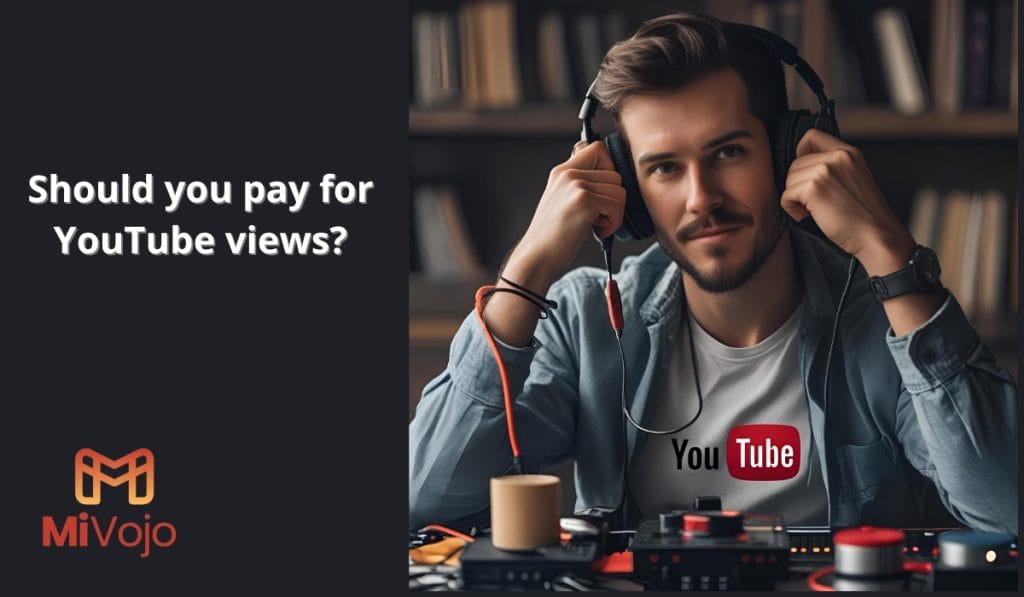
Should you pay for YouTube views?
The question pops up for nearly every creator at some point:
“Should I pay for YouTube views?”
Whether you’re a brand new YouTuber trying to get your first few hundred views or a growing creator looking to boost momentum, paying for views seems like an easy shortcut. But is it smart? Is it safe? Is it even allowed?
In this guide, we’ll break down the risks, benefits, and best practices of paying for YouTube views—so you can make an informed decision for your channel.
🎯 What Does It Mean to “Pay for YouTube Views”?
Paying for views simply means you’re using a third-party service (or platform like Google Ads) to promote your videos and drive traffic. These can include:
YouTube Ads (via Google Ads)
Organic promotion platforms like MiVojo
Sketchy bot services that violate YouTube policy (⚠️ avoid)
The method matters more than the money. Not all “paid views” are created equal.
🧨 The Wrong Way: Bot Views and Fake Traffic
Let’s get this out of the way first: never pay for fake views from shady services that offer:
“1,000 views for $5”
“Guaranteed viral views”
“Instant delivery with no targeting”
These usually involve bots or click farms, which:
Violate YouTube’s Terms of Service
Can get your video flagged or demonetized
Do nothing for your watch time, engagement, or growth
Hurt your channel’s long-term credibility
If it sounds too good to be true, it probably is.
✅ The Right Way: Real Views from Real People
On the flip side, paying for legitimate YouTube promotion can be a smart strategy—especially if you’re a small creator trying to gain momentum.
Services like MiVojo promote your video to real users via social discovery platforms, mobile apps, and embedded placements, helping you:
Get real watch time
Reach an actual human audience
Increase your chances of organic discovery
And most importantly: it’s safe, compliant, and transparent.
🚀 When Paying for Views Makes Sense
Here are situations where paying for views can help your channel grow:
1. You’re Just Starting Out
With zero subscribers, your first few uploads may get buried. Paid views can:
Boost your video’s early performance
Increase credibility with social proof
Give you data to learn from (CTR, retention, etc.)
2. You Have a Great Video That’s Not Getting Seen
If you’ve created high-quality content but it’s not picking up steam, a strategic push can help the algorithm notice.
3. You Want to Target a Specific Audience
Some services offer targeted promotion based on interests, location, or language. That’s incredibly valuable for niche channels.
💸 How Much Should You Spend?
Start small. Test and measure.
$20–$50 is enough to promote a single video and see what kind of audience response you get.
Services like MiVojo offer flexible plans and transparent pricing based on view count and targeting level.
❓Will It Help Me Get Monetized?
Yes and no.
✅ If the views are real and generate genuine watch time, they can absolutely contribute toward YouTube’s monetization thresholds (1,000 subscribers + 4,000 hours watch time).
❌ If the views are fake or come from bots, they won’t count—and may get your account penalized.
Always use trusted, verified services.
⚖️ The Pros and Cons
✔ Pros of Paying for Real Views:
Faster channel growth
Better algorithmic positioning
Valuable watch time and engagement
Useful for testing and learning
✖ Cons:
It’s an investment (you need to budget)
Results vary depending on video quality
Some audiences might be passive if untargeted
🧠 Final Thoughts: Pay Smart—Not Desperate
Paying for YouTube views isn’t inherently bad—it’s how and why you do it that matters.
If you’re looking for a quick viral hit, buying fake views won’t get you there. But if you’re looking to invest in real growth, build traction, and reach more viewers faster, paying for promotion from a platform like MiVojo can be a smart move.
👉 MiVojo offers real views from real people, with transparent reporting and optional audience targeting.
Skip the bots. Save your time. Promote your content the right way.
📌 TL;DR
Should you pay for YouTube views?
✔ Yes—if they’re real, targeted, and part of a growth strategy.
❌ No—if it’s fake traffic, bots, or violates YouTube’s rules.


Pingback: Authentic YouTube Views: What They Are and Why They Matter in 2026 - MiVojo Promote Your Video